The Proprietary Blend Trap, And How To Spot It
Why a long ingredient list with one combined weight tells you less than it seems to.
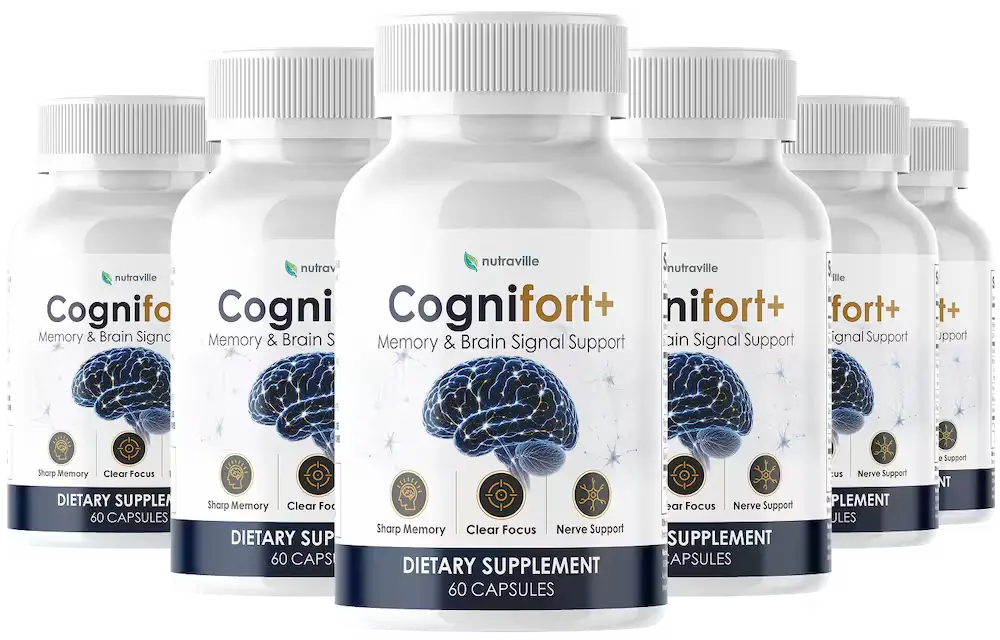
Scan enough nootropic and brain-support labels and you'll notice a pattern: an impressive list of ingredient names, followed by one combined weight covering all of them. Here's why that structure deserves scrutiny.
What a proprietary blend actually hides
When a label lists ingredients under one combined weight, there's no way to know how that weight is divided. It's entirely possible for one ingredient to make up nearly all of it, with the rest present in amounts too small to matter — sometimes called "fairy dusting."
Why this matters more for some ingredients
Some botanicals have research suggesting a meaningful dose range; below that, there's little reason to expect an effect. Bacopa Monnieri is a good example — studies suggesting benefit generally use standardized extracts at specific doses, not token amounts.
What a transparent label looks like instead
Compare that to a label listing each ingredient with its own stated amount — the structure used throughout this site's ingredient breakdown. It takes up more label space and looks less flashy, but it's the only structure that actually lets you verify what you're getting.
A quick checklist for any label
- Does each ingredient have its own individual amount, or are several grouped under one combined weight?
- Are extract standardizations (like bacoside percentage) stated where relevant?
- Does the ingredient list match what you'd expect for a reasonably sized capsule?
None of this guarantees a product works — but a transparent label is the minimum standard worth expecting before spending money on anything in this category.
Give your brain a genuine 90-day trial
Regular: $69/bottle Today: from $39/bottle