Why Brain Fog Happens, Explained Plainly
The general biological backdrop behind the foggy, unfocused feeling many adults notice, without overstating it.
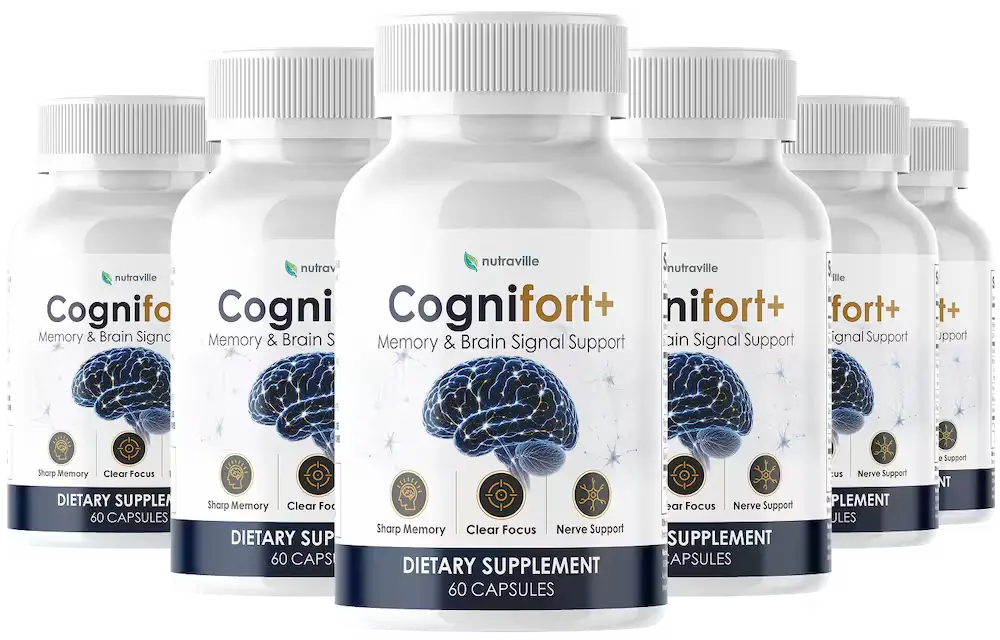
"Brain fog" isn't a formal medical diagnosis, but it describes a genuinely common experience: difficulty concentrating, slower recall, a general mental sluggishness. Here's the general backdrop, without overstating what any one factor explains.
Sleep is the biggest lever
Poor or insufficient sleep has a well-documented, substantial effect on next-day concentration, memory consolidation and processing speed — often a bigger factor than most people assume when troubleshooting foggy thinking.
Chronic stress compounds the picture
Sustained stress is associated with changes in brain regions involved in memory and executive function. This is a separate, parallel factor from sleep, though the two commonly interact and worsen each other.
Circulation and age-related changes
Cerebral blood flow efficiency can decline gradually with age for some people, a general pattern relevant to alertness and processing speed, distinct from any specific diagnosed condition.
Where a botanical formula fits in
A formula addressing memory support (Bacopa, Panax Ginseng), circulation (Ginkgo), nerve health (Lion's Mane) and stress resilience (Rhodiola) is addressing several of these parallel factors at once, rather than targeting one in isolation.
Give your brain a genuine 90-day trial
Regular: $69/bottle Today: from $39/bottle